
Cómo la Variabilidad Biológica Influye en el Entrenamiento Personalizado y el Rendimiento
La ciencia de la variabilidad biológica y el fin del entrenamiento universal
En el mundo del fitness y el rendimiento, todavía sobrevive una idea reconfortante:
esfuerzo + constancia = resultados.
Y sí, el esfuerzo importa. La disciplina importa.
Pero cuando observamos honestamente lo que sucede en gimnasios, espacios de bienestar, centros de alto rendimiento y clínicas deportivas, surge una pregunta incómoda:
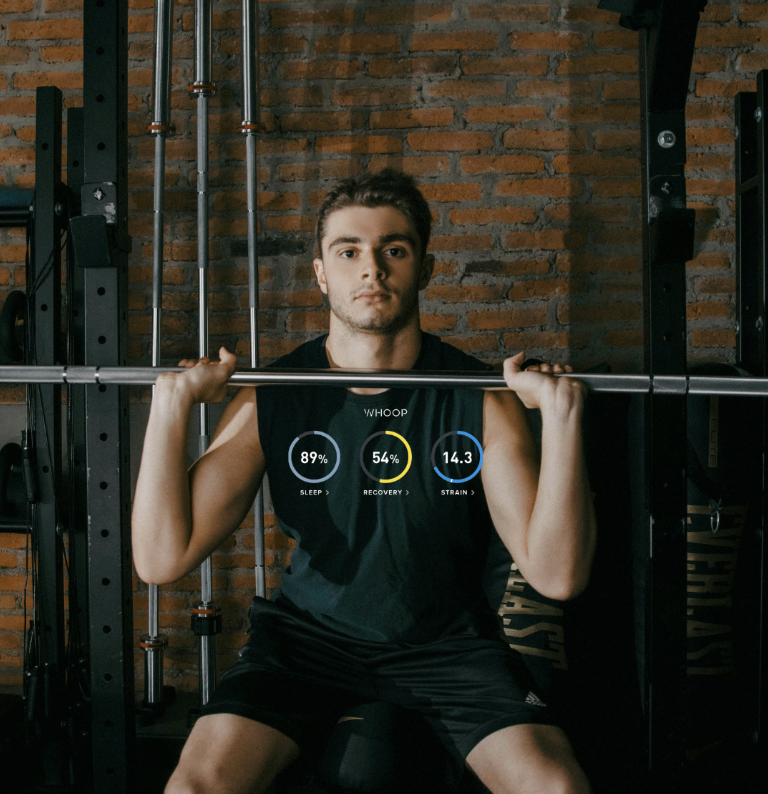
¿Por qué dos personas entrenan juntas, siguen el mismo programa y levantan el mismo peso, pero una progresa significativamente más que la otra?
La respuesta no es motivacional. Es biológica.
El cuerpo no es una plantilla estándar
El cuerpo humano no responde como una máquina programada. Es un sistema complejo que adapta cada estímulo de acuerdo con su propia configuración interna.
Cada persona comienza a entrenar con una combinación única de:
- Genética
- Epigenética
- Historial deportivo
- Composición corporal
- Perfil hormonal
- Estado metabólico
Estas variables determinan cómo produces energía, desarrollas músculo, movilizas grasa y te recuperas del estrés físico.
Por ejemplo:
- La densidad mitocondrial —esencial para el rendimiento aeróbico y la longevidad— puede variar significativamente entre individuos.
- La proporción de fibras musculares de contracción rápida y lenta influye directamente en la respuesta al entrenamiento de fuerza o resistencia.
- Factores como la sensibilidad a la insulina y la eficiencia neuromuscular pueden generar diferencias profundas en la adaptación y la recuperación.
La ciencia del ejercicio ha documentado ampliamente esta variabilidad individual en la respuesta al entrenamiento —Bouchard y Rankinen; Ross et al.; Timmons—. No es una teoría: es el resultado de décadas de evidencia acumulada.
El contexto también entrena
La biología interna es solamente una parte de la ecuación. El entorno tiene la misma importancia.
Dos personas pueden completar exactamente la misma sesión de entrenamiento.
Pero si una duerme ocho horas y la otra solamente cinco, el impacto fisiológico no será el mismo.
Variables como:
- La calidad del sueño
- El estrés psicológico
- Nutrición
- Los niveles de actividad diaria
- La carga emocional o profesional
influyen en la manera en que el cuerpo interpreta el estímulo físico.
El entrenamiento no termina cuando sales del gimnasio. Continúa a través de la recuperación, el sueño, la nutrición y la regulación del estrés.
El mito de quienes «no responden»
Durante años se habló de personas que supuestamente «no responden» al ejercicio.
La evidencia actual sugiere algo diferente: en la mayoría de los casos, estas personas sí responden cuando encuentran la dosis adecuada.
Más intensidad. Más volumen. Más frecuencia. O, en algunos casos, menos.
Muy pocas personas son incapaces de adaptarse.
Simplemente aún no han descubierto el estímulo adecuado para su biología individual.
El fin del entrenamiento universal
Cuando comprendemos esta realidad, todo cambia.
El objetivo ya no es copiar el entrenamiento que funcionó para alguien más.
El objetivo se convierte en descubrir qué combinación de estímulos genera adaptación dentro de tu propio sistema biológico.
En TEVA creemos que el progreso no debe medirse mediante la comparación, sino observando cómo evolucionan tu capacidad funcional, tu recuperación y tu bienestar integral con el paso del tiempo.
No se trata de convertirte en alguien más.Se trata de optimizar tu propia biología.
Cuando el entrenamiento se alinea con las necesidades individuales, los resultados dejan de parecer impredecibles y comienzan a volverse sostenibles.
La perspectiva TEVA
El progreso no es una competencia genética.
Es una conversación entre el estímulo y la biología.
Escucha a tu cuerpo. Ajusta la dosis. Y deja atrás la idea de que existe una fórmula universal.
Porque en el rendimiento, el bienestar y la longevidad, la personalización no es un lujo. Es precisión.
Referencias
- Bouchard, C., & Rankinen, T. Individual differences in response to physical activity. Medicine & Science in Sports & Exercise.
- Ross, R. et al. Individual variability in response to exercise. Journal of Applied Physiology.
- Timmons, J. A. Variability in training response. Nature.