Cold, Heat, and Training: How to Choose Between a Sauna and a Cold Plunge

Your body responds to training through a combination of effort, recovery, and adaptation. Sauna and cold-water immersion also create physical responses, but each works differently. Understanding what happens before and after exercise can help you use them intentionally and choose the timing that best supports your goals.

Two stimuli, different responses

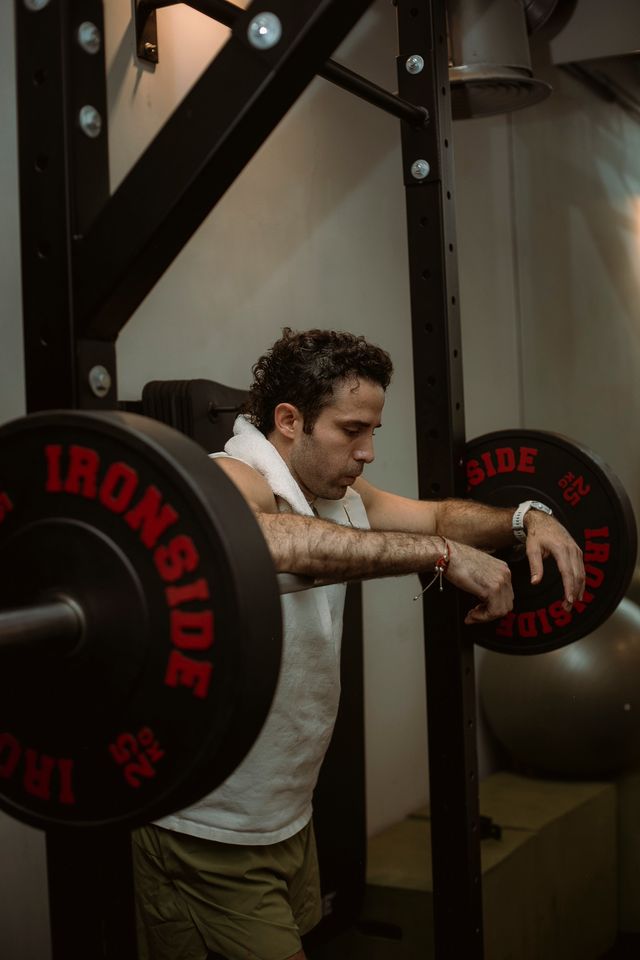
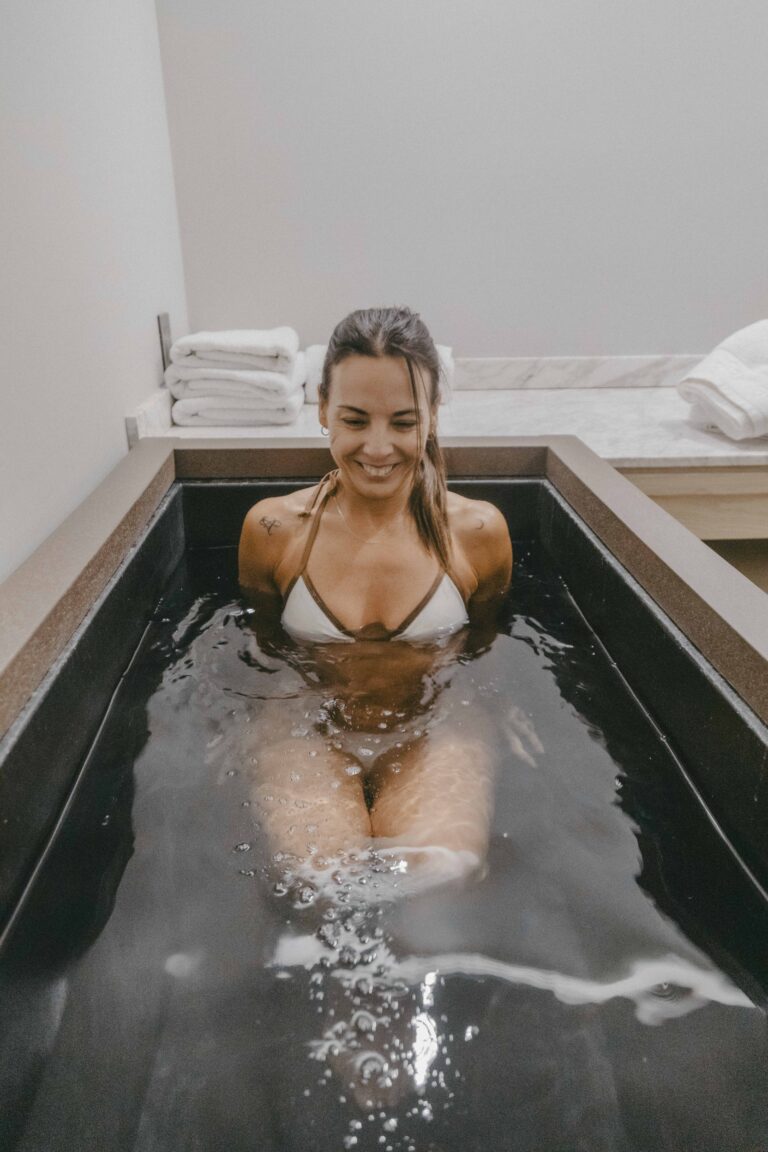
Strength training creates tension and signals that, with enough rest and proper nutrition, help muscles adapt. Cold-water immersion lowers the temperature of the skin and muscles and temporarily changes blood flow. A sauna exposes the body to heat, raises body temperature, and requires a cardiovascular response to dissipate it.

You don’t need to use both tools after every session. A simple question can guide your choice: Do I want to prioritize adaptation today, or feel ready to take on another activity soon?

What happens to your hormones?

Exercise, heat, and cold can temporarily change certain hormone levels, including cortisol, growth hormone, and prolactin. The response depends on factors such as intensity, duration, time of day, and individual experience. For example, studies have observed acute increases in some hormones after sauna use. These changes are usually temporary and don’t, by themselves, indicate how much muscle you will gain.

Hormone measurements from a single session aren’t a scorecard for your training. Progression, training volume, nutrition, sleep, and consistency matter more when building strength or muscle. There is no one sauna-and-cold-plunge sequence that guarantees better results for everyone.

If your goal is to build strength or muscle

When muscle growth is the priority, the timing of cold-water immersion is worth considering. A systematic review and meta-analysis of eight studies found that repeatedly using a cold plunge immediately after strength training may modestly reduce muscle growth. The average estimate was small and remains uncertain: its credibility interval ranged from a difference close to zero to a somewhat larger effect.

In one of the trials included in the review, 21 physically active men trained for 12 weeks. The group that immersed themselves in water close to 10°C for 10 minutes after each session had a smaller increase in quadriceps muscle mass than the group that used active recovery. This finding helps explain why researchers study the timing of cold exposure, but it describes one specific protocol and cannot predict everyone’s results.

One practical way to apply this evidence is to let your body begin recovering after a strength session. If you enjoy cold plunges, you could save them for a day without strength training or for occasions when another goal takes priority. One session doesn’t determine your training outcome; the pattern you follow over time matters more.

If you need to recover before training again soon

Some weeks include competitions, double sessions, or demanding activities close together. In those cases, people sometimes use cold-water immersion because it may help them feel less sore and more ready for their next activity. That benefit can be valuable when short-term readiness is the priority.

Feeling better and building muscle are two different aspects of recovery. During a competition period, you might choose a strategy that helps you get moving again. During a phase focused on building muscle, you might prefer not to cool your muscles intensely right after every strength session. The context of your training week can help you decide.

How to include a sauna

A sauna can be an enjoyable practice for relaxation and heat exposure. It also adds physical stress: your body works to regulate its temperature, and some people may feel more fatigued after combining sauna use with a demanding workout. Acute hormonal changes shouldn’t be viewed as a shortcut to building muscle.

If sauna use feels good for you, choose a duration and intensity you can comfortably tolerate, pay attention to how you feel, and replace fluids according to your needs. You don’t need to add a sauna before training or always combine it with cold exposure to get value from your routine. If you feel dizzy, dehydrated, or unwell, postpone the session.

A simple guide for choosing

Strength training focused on muscle growth: Prioritize your usual recovery after training and avoid making immediate cold-water immersion a daily routine.

A competition or another session coming up soon: Consider using a cold plunge occasionally if it helps you feel better and return to activity.

Well-being and relaxation: Enjoy the sauna according to your personal tolerance, without expecting a brief hormonal response to directly translate into more muscle.

No specific need for cold or heat: Rest, nutrition, hydration, and sleep provide a solid foundation for recovery.

Recovery is part of training

Cold and heat can complement a wellness routine when used with a clear goal. For muscle growth, the evidence suggests being thoughtful about cold-water immersion immediately after strength training. When there is little time between efforts, the relief it provides may be useful. Sauna use can be part of your routine for enjoyment and personal comfort, with the understanding that its hormonal effects are temporary.

Pay attention to how your body responds and choose the tool that fits your goal for the day. The best recovery routine is one that helps you train consistently, make progress, and feel good.

At TEVA, our team of professionals can guide you in incorporating sauna or cold plunge into your routine based on your goals and needs.

References

  1. Piñero A, et al. “Throwing cold water on muscle growth: A systematic review with meta-analysis of the effects of postexercise cold water immersion on resistance training-induced hypertrophy.” European Journal of Sport Science, 2024. 
  2. Roberts LA, et al. “Post-exercise cold water immersion attenuates acute anabolic signalling and long-term adaptations in muscle to strength training.” The Journal of Physiology, 2015. 
  3. Fuchs CJ, et al. “Postexercise cooling impairs muscle protein synthesis rates in recreational athletes.” The Journal of Physiology, 2020. 
  4. Huhtaniemi I, et al. “Endocrine effects of sauna bath.” Endocrine Connections, 2019. 
 

I'd like to schedule a private tour Teva Wellness

Personal Trainer

Juan Sebastián Pulido

Sebastián specializes in strength training and sports performance, bringing his experience from the world of elite sport to every session at TEVA.

Originally from Bogotá, he studied in Miami and Mexico City, and holds a degree in Sports Science. His professional background includes being part of Anthony Joshua’s training team and serving as the personal trainer of Randy León, Mexico’s national boxing champion.

His method combines scientific knowledge with the discipline, precision, and high standards of professional athletic training. Sebastián adapts these principles to each person’s fitness level and goals, whether they’re looking to build strength, improve performance, or feel more capable and confident in their body.

His sessions are structured, focused, and demanding. He’s an excellent choice for those seeking measurable results who enjoy working with a coach who pushes them with intention and purpose.

Specialties

Strength training

Sports performance

Physical conditioning

Boxing-based training

Operations and Performance Manager

Daniel Peralta Delgado

Behind every great training experience is someone setting the standard. At TEVA, that person is Daniel.

Daniel leads Operations and Performance, bringing experience from prestigious fitness clubs across Colombia, Australia and Canada. He holds a master’s degree in Fitness and Health Promotion and has trained in strength, endurance, nutrition, sleep and leadership. He works closely with TEVA’s trainers to develop their skills and ensure members receive knowledgeable guidance shaped around their individual goals.

His understanding of the body is personal as well as professional. After an illness left him in bed for six months, Daniel had to rebuild his own strength. That experience changed how he sees fitness: what your body can do matters more than how it looks.

He has since completed six Ironman 70.3 races, eleven marathons and twenty-three half marathons. Daniel knows what it takes to pursue an ambitious goal, and he knows that progress depends on consistency, a thoughtful plan and the right balance between training and recovery.

TEVA members have direct access to Daniel’s expertise when they are considering a challenge such as an Ironman, marathon or HYROX. He can help them assess where they are now and develop a personalised performance strategy around their ability, schedule and goals. It is an opportunity to plan with someone who has lived the preparation, the setbacks and the finish lines himself.

You do not need to be an endurance athlete to benefit from his leadership. Whether your goal is to build strength, return to exercise or feel more capable in your body, Daniel helps ensure the team supporting you has the knowledge and care to help you move forward.

Education

  • Master’s in Fitness and Health Promotion, Toronto, Canada
  • Bachelor’s degree in Ecology, Pontificia Universidad Javeriana, Bogotá, Colombia

Training and performance certifications

  • UESCA Running Coach
  • DTS Barbell Strength
  • DTS Sleep Coach Specialist
  • ECEP Personal Trainer, ACSM validated
  • 100-hour yoga training, Rishikesh, India

Nutrition and health certifications

  • IFBB Sports Nutrition
  • NASM Nutrition Coach
  • NASM Personal Trainer
  • NASM Online Coach

Leadership development

  • Crucial Conversations for Mastering Dialogue, Crucial Learning

Athletic achievements

  • 6 Ironman 70.3 races
  • 11 marathons
  • 23 half marathons

Specialties

Operations & program design

Sports science

Athlete development

Strength & conditioning

Personal Trainer

Jocabed Carranza

Joca specializes in strength training and hypertrophy, holds professional training certification from CONADE, and has a particular focus on training for women.

Her method is designed to build muscle strategically, focusing on the areas that help create a stronger, more defined, and proportioned figure. She’s especially known for helping her clients build glutes and strengthen the lower body.

Joca is strict, demanding, and very clear with her clients, but she also knows exactly how to motivate them when they start doubting themselves. She’ll eliminate every excuse, hold you accountable for your decisions, and keep a bad day from turning into giving up on your goal.

Her commitment goes far beyond running a session. Joca constantly supports, corrects, and pushes every client. She’ll celebrate your progress, but she won’t let you settle for less than she knows you can achieve.

She’s an excellent choice for women who want to build muscle, transform their figure, and work with a coach who keeps them focused on getting visible results.

Specialties

Strength training

Hypertrophy training

Training for women

Glute development, muscle mass gain, and body transformation

Physical Therapist

Amaya Mantilla

Amaya is a physical therapist specializing in physical medicine and rehabilitation. Her expertise allows her to design highly personalized training programs for people with current injuries, a history of injuries, or physical limitations, helping them build strength without ignoring what their body needs.

For three years, Amaya was the “secret weapon” behind the most elite division of the Navy, making sure its members stayed in peak physical condition at all times. In an environment where the body must perform at the highest level, she combined injury prevention, rehabilitation, and physical preparation to keep them ready for any challenge.

Today she applies that same precision and attention to every client at TEVA. Amaya knows when to challenge the body, when to modify a movement, and how to build strength without letting an injury define the entire training experience.

Her sweet, gentle appearance can be deceiving. Behind it is a demanding, highly observant professional who will take care of you — but will also make you work.

She’s an excellent choice for those looking to regain confidence in their body, return to training after an injury, or follow a program designed specifically for their physical condition.

Specialties

Physical therapy

Physical medicine and rehabilitation

Injury prevention

Functional recovery and adapted training

Personal Trainer

Juan Sebastián Pulido

Sebastián specializes in strength training and sports performance, bringing his experience from the world of elite sport to every session at TEVA.

Originally from Bogotá, he studied in Miami and Mexico City, and holds a degree in Sports Science. His professional background includes being part of Anthony Joshua’s training team and serving as the personal trainer of Randy León, Mexico’s national boxing champion.

His method combines scientific knowledge with the discipline, precision, and high standards of professional athletic training. Sebastián adapts these principles to each person’s fitness level and goals, whether they’re looking to build strength, improve performance, or feel more capable and confident in their body.

His sessions are structured, focused, and demanding. He’s an excellent choice for those seeking measurable results who enjoy working with a coach who pushes them with intention and purpose.

Specialties

Strength training

Sports performance

Physical conditioning

Boxing-based training